In today’s fast-paced digital world, children often spend more time indoors than outdoors. Screens have replaced mud, trees, and open fields, making it harder for kids to build a real connection with nature. One of the best ways to change that is through meaningful outdoor experiences like farm visits.
A day at a farm is not just a picnic or a fun outing. It is a hands-on learning experience that helps children understand nature, sustainability, and their role in protecting the environment.
At places like The Big Barn Nature Camp, a trusted farm destination near Bannerghatta National Park, children get the opportunity to step away from city life and experience what it means to “be a farmer for a day.” With over 20 years of creating meaningful farm experiences, The Big Barn offers kids a chance to learn, play, and connect with nature on an authentic organic-certified farm.
Let’s explore how farm visits inspire environmental awareness in children.
Environmental awareness begins with connection. Before children can care about nature, they need to experience it.
Walking through green fields, touching soil, observing butterflies, hearing birds chirp, and feeling fresh air creates a powerful emotional bond with the environment.
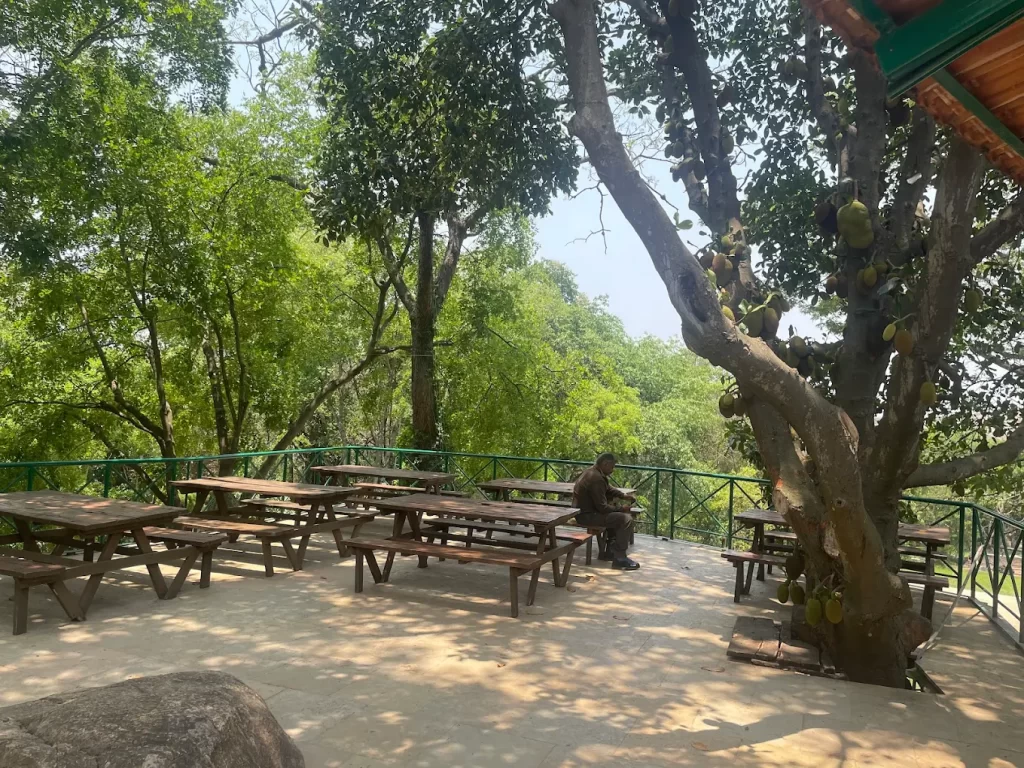
At The Big Barn, children experience real farmland, not a theme park. This authentic setting helps them understand and appreciate the natural world in a genuine way.
Most children know food from supermarket shelves, but few understand how it grows.
Farm visits teach kids the journey of food:
This simple understanding helps children value food more and reduces waste. When kids see the effort behind growing vegetables, they are more likely to eat mindfully and respect food.
Sustainability can feel like a big word, but farms make it easy to understand.
Children can observe practices like:
At an organic-certified farm like The Big Barn, these lessons come alive naturally. Instead of hearing about sustainability in a classroom, children see it happening around them.
This practical exposure helps them understand how small actions can protect the planet.
Animals are often a child’s favorite part of a farm visit.
Meeting cows, rabbits, goats, sheep, chickens, and other farm animals teaches children empathy and responsibility.
At The Big Barn, great care is taken not to disturb the animals, teaching children an important lesson: nature deserves respect.
Kids learn:
These values often stay with them for life.
Farm visits make children aware of essential natural resources such as:
Simple activities like watering plants or planting seeds help them understand how dependent life is on these resources.
When children see how much effort goes into growing one plant, they better understand why wasting water or damaging soil affects the environment.
Children learn best by doing.
At a farm, they can:
This hands-on experience creates stronger memories than books or videos.
At The Big Barn’s Kids Daycation, children actively participate in farm life, making learning both exciting and unforgettable.
Many parents struggle to reduce screen time.
A farm visit offers the perfect solution.
Instead of tablets and phones, children become engaged in:
Outdoor learning stimulates curiosity and imagination in ways digital entertainment cannot.
When children understand how ecosystems work, they begin making better choices.
After a farm visit, many children naturally start:
These small habits can grow into lifelong environmentally responsible behavior.
That is why farm education matters so much.
Located near Bangalore and close to Bannerghatta National Park, The Big Barn Nature Camp offers a truly authentic farm experience.
What makes it special:
It is not a resort. It is not a theme park.
It is a real farm where children can reconnect with nature and understand their role in protecting it.
Teaching children about the environment should go beyond books and classrooms.
Farm visits give children the chance to experience nature directly, ask questions, get their hands dirty, and understand the importance of protecting our planet.
When children connect with the earth, they begin to care for it.
And that is how environmental awareness truly begins.
Farm visits provide hands-on experiences that teach children about nature, food systems, sustainability, and conservation in a practical way.
They help children connect with nature, reduce screen time, build empathy for animals, and learn valuable environmental lessons.
Activities often include planting seeds, feeding animals, harvesting vegetables, nature walks, and outdoor educational games.
The Big Barn is an organic-certified working farm near Bannerghatta National Park offering authentic farm experiences and Kids Daycation programs for children.
Yes. Farm visits are ideal for school groups because they combine education, fun, and outdoor experiential learning.
Most farm experiences are suitable for children aged 2 and above, with age-appropriate activities available.
Absolutely. Early exposure to nature often encourages children to adopt eco-friendly habits and become environmentally responsible adults.
The Big Barn is a farm in Bangalore ideal for kids picnics! Very close to the Bannerghatta National park! Come and be a farmer for a day! It is not a resort or a theme park!
