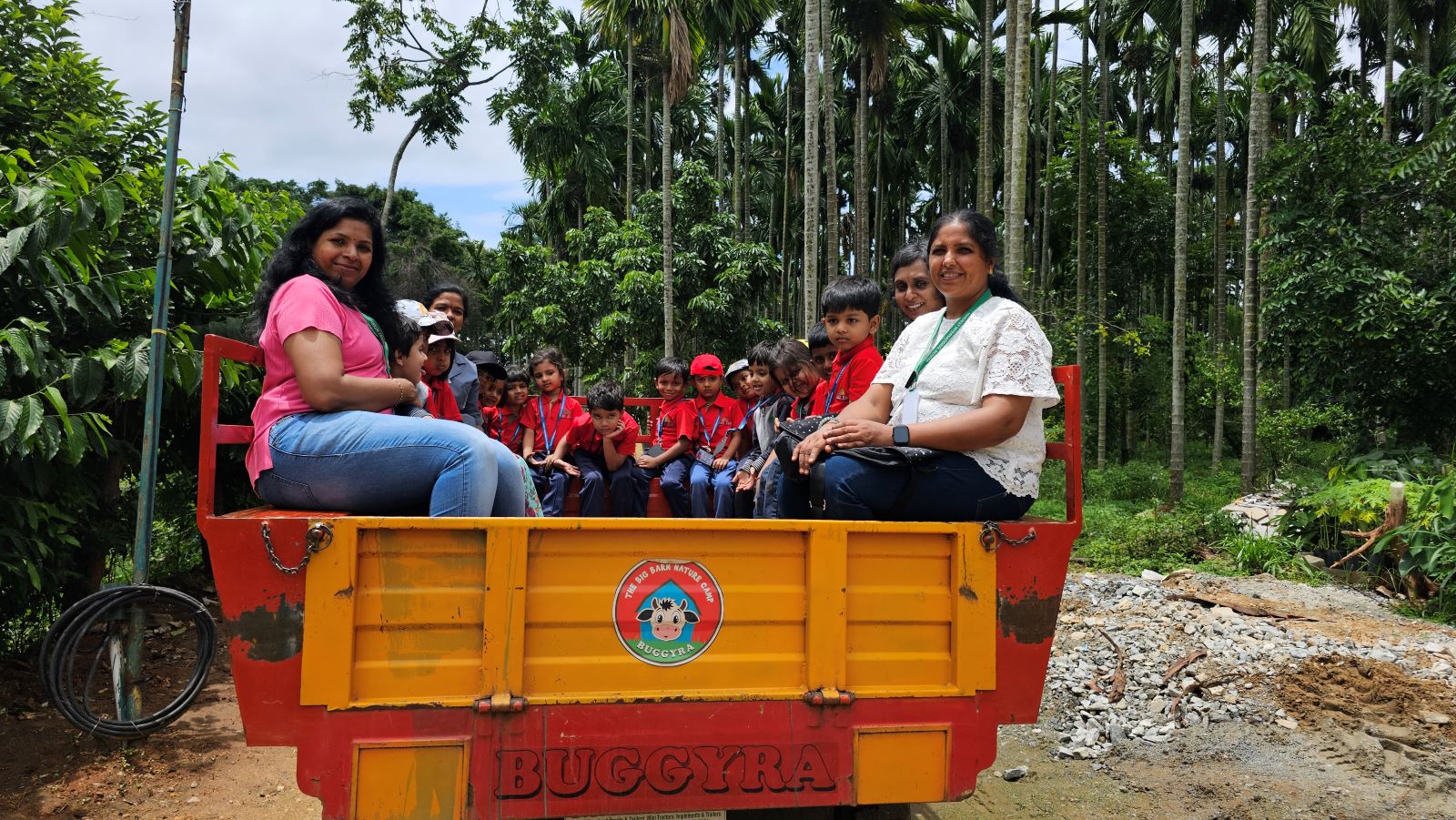
Planning a kids’ farm trip is one of the best ways to combine fun, learning, and outdoor adventure. In today’s digital world, children spend more time indoors than ever before, making nature-based outings even more valuable. A well-organized farm trip gives children the opportunity to connect with animals, understand where food comes from, and enjoy hands-on experiences that are both educational and exciting.
If you are looking for the perfect destination near Bangalore, Bannerghatta National Park is home to one of the most loved family-friendly farm destinations: The Big Barn Farm. Located close to the city yet surrounded by greenery, this organic-certified farm offers children an authentic farm-life experience unlike any resort or amusement park.
Here are the best practices for organizing a safe and fun kids’ farm trip.
Not every farm is designed for children. When selecting a location, prioritize farms that are safe, educational, and kid-friendly.
The Big Barn Farm stands out because it is:
Unlike crowded theme parks, children get an authentic opportunity to experience rural life and nature.
Timing can make or break a farm visit. Farms operate differently from amusement parks, and respecting the schedule ensures a better experience for both visitors and animals.
At The Big Barn Farm, timing is carefully managed to:
Best practice: Visit during morning hours when the weather is pleasant and farm activities are most engaging.
Children are naturally curious, especially around animals and open spaces. Safety should always come first.
Essential safety measures include:
A well-managed farm like The Big Barn provides safe walking paths and guided experiences, making it ideal for families and school groups.
Farm trips involve walking, outdoor play, and interaction with nature.
Recommended clothing:
Avoid fancy or delicate clothing since children may get muddy while exploring or feeding animals.
The best farm trips combine fun with learning.
At The Big Barn Farm, children can:
These activities encourage curiosity, responsibility, and environmental awareness.
Kids need both guided activities and unstructured playtime.
The Big Barn Farm offers:
This balance helps children stay engaged without feeling overwhelmed.
Nature offers endless learning opportunities.
Allow children to:
This sensory learning improves creativity and emotional well-being.
Bring essentials such as:
Many parents also carry picnic mats for family relaxation after activities.
Farm visits are perfect opportunities to teach empathy.
Children should learn:
At The Big Barn Farm, animal welfare is a top priority, making it a wonderful place to teach these values.
After the trip, keep the learning alive.
Ideas include:
This helps children retain what they learned and builds excitement for future outdoor adventures.
The Big Barn Farm is not just another outing destination. It is an immersive farm experience where children can disconnect from screens and reconnect with nature.
Highlights include:
✔ Organic-certified farm experience
✔ Located near Bannerghatta National Park
✔ Animal interactions
✔ Family-friendly daycations
✔ Green landscapes and open spaces
✔ Treehouses and rope bridges
✔ Educational walking tours
✔ Safe and peaceful environment
For families in Bangalore looking for a meaningful outdoor adventure, The Big Barn Farm is a perfect choice.
Contact:
📞 +91 98446 35400
📧 info@thebigbarnfarm.in
Children aged 2 years and above can enjoy a farm visit, with activities tailored to different age groups.
Yes, the farm is family-friendly and designed to offer safe, supervised experiences for young children.
A half-day or full-day trip is ideal to explore the farm without tiring younger children.
Comfortable clothes, closed shoes, hats, and sunscreen are recommended.
Yes, the farm is an excellent destination for school excursions and educational field trips.
Families should check directly with the farm while booking for updated meal options and inclusions.
Farm visits help children learn about nature, animals, food systems, and environmental responsibility in a hands-on way.
The Big Barn is a farm in Bangalore ideal for kids picnics! Very close to the Bannerghatta National park! Come and be a farmer for a day! It is not a resort or a theme park!
