In today’s digital world, children often know where food is purchased but may not fully understand where it actually comes from. A farm visit can change that perspective. For parents and schools looking for an educational outdoor experience, learning about farming and irrigation methods in Bangalore can be a fun and meaningful way to connect children with nature.
At Big Barn Nature Camp, kids aged 6 to 11 years can step beyond the classroom and discover where food begins. Through guided farm experiences, nature walks, hands-on activities, and outdoor learning, children get an opportunity to understand how farming works and why water plays such an important role in growing food.
A certified organic farm offers children a unique opportunity to see nature at work. Instead of simply reading about plants, soil, water, and food production in textbooks, kids can explore these concepts in a real farm environment.
The experience introduces children to the journey of food, from soil preparation and planting to watering and caring for crops. They can observe how farmers work with nature and understand the importance of responsible farming practices.
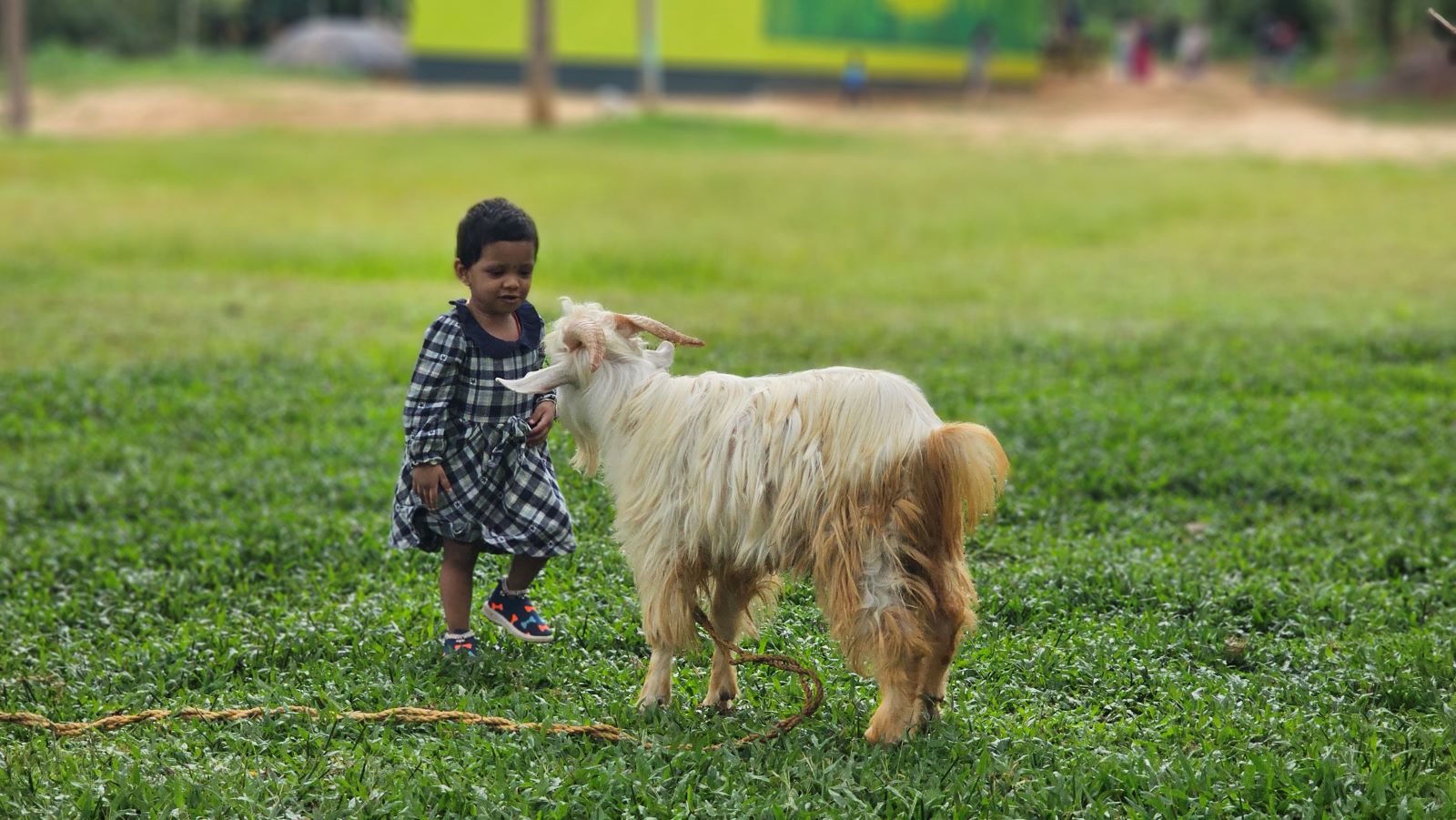
Children also get to meet friendly domestic animals and birds, explore agro-forest techniques, observe small wildlife, and learn about biodiversity. These experiences encourage curiosity and help children develop a deeper connection with the natural world.
Farming is much more than planting seeds and waiting for crops to grow. Children can learn about the different stages involved in growing food, including soil preparation, planting, watering, nurturing, and harvesting.
During a farm learning experience, kids can understand the importance of healthy soil and how organic farming supports a sustainable ecosystem. They can also learn how natural resources are carefully used to grow crops.
Organic farming helps children understand the value of working with nature. Through hands-on observation, they can explore how composting, organic waste management, and natural farming practices can support healthier soil and plant growth.
These lessons make agriculture easier for children to understand because they can see the process happening around them.
Water is one of the most important resources in agriculture. Without proper irrigation, crops may not receive the water they need to grow.
A farm visit gives students an opportunity to learn about farming and irrigation methods in a practical environment. Children can understand how water reaches plants and why farmers need to use water responsibly.
They can learn about the connection between rainfall, water storage, irrigation, and crop growth. This helps children understand that water conservation is not only important at home but also plays a major role in farming.
Learning about irrigation methods at a young age can help students appreciate the effort involved in food production and the importance of protecting natural resources.
Rainwater harvesting is another important part of environmental education. Children can learn how rainwater can be collected and managed for responsible use.
By understanding rainwater harvesting, students can see how simple water conservation practices can support farming and sustainability. These lessons encourage children to think about how water can be saved and used wisely.
The combination of farming education, irrigation awareness, and rainwater harvesting creates a meaningful learning experience that connects agriculture with environmental responsibility.
Children also have the opportunity to learn about organic waste management. Food waste and natural materials can be managed responsibly instead of being unnecessarily discarded.
Through practical learning, children can understand how organic waste can contribute to composting and soil health. These lessons introduce the concept of a natural cycle where waste can become a useful resource.
Learning about composting and organic waste management can also encourage children to adopt more environmentally responsible habits in their daily lives.
The program includes a guided nature walk where children can explore the farm environment and observe the biodiversity around them.
The camp is surrounded by more than 200 species of lush green trees, approximately 150 species of butterflies, and around 80 species of birds. Children can also interact with domestic animals and birds in a safe and supervised environment.
Nature walks encourage students to slow down, observe their surroundings, and appreciate the diversity of life around them. This can be a refreshing change from screen-based entertainment and indoor learning.
Learning becomes even more enjoyable when children can combine education with outdoor adventure.
The program includes seven adventure activities designed to keep children active and engaged. These activities encourage teamwork, confidence, communication, and problem-solving.
Adventure activities can accommodate a maximum of 150 students per day, making the program suitable for school groups and organized student outings.
Along with educational and adventure activities, children can also enjoy games, pottery experiences, and time in a natural outdoor setting.
A day of outdoor learning requires healthy and enjoyable meals. The program includes a welcome drink, lunch, and evening snacks.
Participants are provided with healthy and delicious food along with mineral water, helping children stay refreshed throughout their farm experience.
The combination of learning, outdoor exploration, activities, and food creates a complete day outing experience for children aged 6 to 11 years.
Outdoor learning is most effective when children are guided by experienced professionals.
The program is supported by internationally certified outdoor educators who help guide activities while focusing on learning, teamwork, schedules, and safety.
The camp also provides hygienic restrooms and age-appropriate activities. Programs can be planned according to the requirements and age group of the participants.
Learning about farming and irrigation methods in Bangalore does not have to be limited to classroom lessons. A hands-on farm experience gives children the opportunity to see, touch, observe, and understand how nature supports our food and daily lives.
From learning about farming and irrigation to exploring rainwater harvesting, organic waste management, biodiversity, and adventure activities, children can enjoy a day filled with curiosity and discovery.
For kids aged 6 to 11 years, a farm outing can be an opportunity to learn where food begins, understand the value of water, connect with animals and nature, and develop a greater appreciation for sustainable living.
Kids can learn about farming and irrigation methods through guided educational farm visits that offer hands-on activities, nature walks, organic farming demonstrations, and water conservation learning experiences.
The program is suitable for kids aged 6 to 11 years.
Children can learn about farming, irrigation methods, organic waste management, rainwater harvesting, biodiversity, nature, and sustainable living.
Yes. The program includes seven adventure activities designed to keep children active while encouraging teamwork and confidence.
A maximum of 150 students can be accommodated per day for the adventure activities.
Yes. The experience includes a welcome drink, lunch, and evening snacks, along with mineral water.
Yes. Children can observe and interact with domestic animals and birds under appropriate guidance and supervision.
Participants are expected to respect nature and avoid leaving waste or litter along the route or within the camp area.
Yes. Participants must follow the instructions of educators, instructors, and coordinators. They are also required to complete the necessary indemnity requirements before participating in adventure activities.
Learning about farming helps children understand where food comes from, appreciate the importance of water and soil, and develop awareness about sustainability and responsible use of natural resources.
The Big Barn is a farm in Bangalore ideal for kids picnics! Very close to the Bannerghatta National park! Come and be a farmer for a day! It is not a resort or a theme park!
